
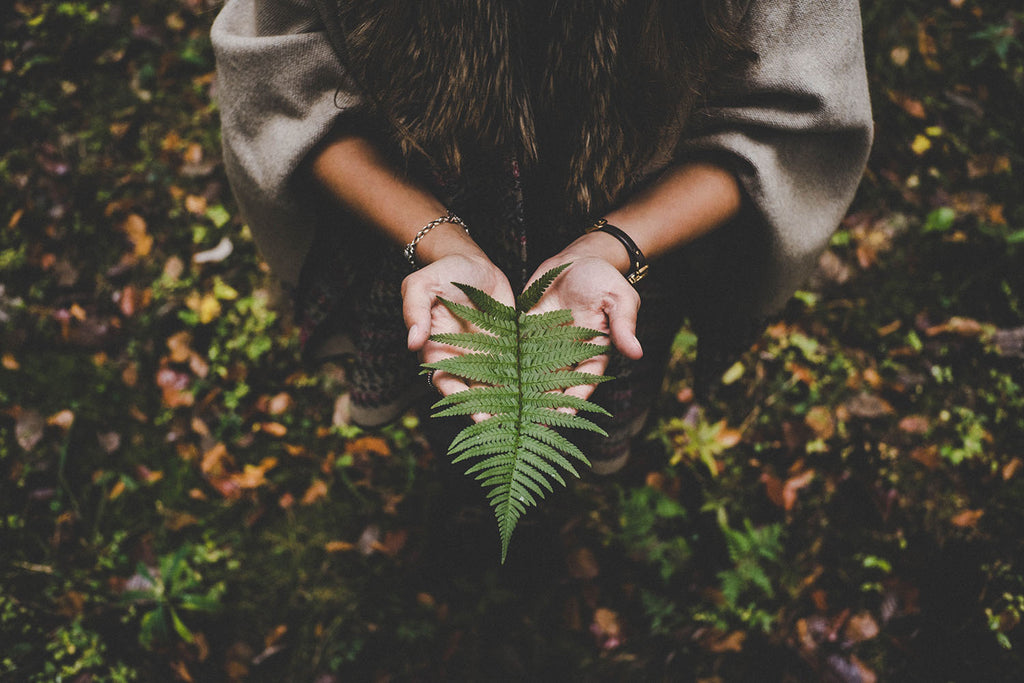
Hoy 5 de junio es el Día Mundial del Medioambiente, fecha en que desde las Naciones Unidas se nos pide parar, reflexionar y tomar conciencia sobre los gigantescos problemas medioambientales y la necesaria búsqueda de soluciones proporcionales a tales problemas.
Vivimos tiempos convulsos: pandemia, guerra, problemas también internacionales que requieren soluciones a corto plazo, pero no por ello debemos desatender las cuestiones medioambientales, pues los cambios necesarios, requieren una evolución continua y prolongada en el tiempo.
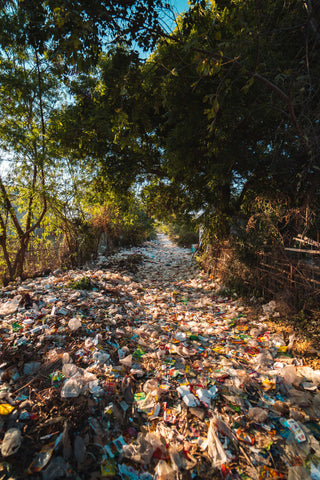
No vamos a dar muchos datos sobre el uso abusivo que hacemos del planeta, con decir que “para mantener el ritmo de vida que llevamos en España desde hace décadas harían falta 4 planetas como el nuestro” es suficiente para comprender lo desmesurada que es la situación.
A nivel global estamos consumiendo más recursos y produciendo más residuos de los que el planeta es capaz de generar y asumir.

¿Y por qué no entramos en colapso?
Por dos motivos fundamentales:
1) Porque en las últimas 8 décadas estamos consumiendo los recursos que el planeta lleva generando millones de años y que teníamos reservados.
2) Porque hay muchísimos países que no sobrepasan su huella ecológica (la extensión de tierra que necesitan para producir todos los recursos que consumen y absorber todos los residuos que producen), compensando así la huella ecológica planetaria.
Las dos caras del capitalismo, mientras en “el mundo interior del capital”, como llama Peter Sloterdijk a los países que están en la cara afortunada de la moneda, estamos produciendo y consumiendo a destajo, creando objetos con obsolescencia programada que no necesitamos y desechando cosas prácticamente nuevas, del otro lado de la moneda, hay países que no sólo nos sirven de vertedero, sino que en ellos vive gente que se rifa nuestra basura y nos permite utilizar los recursos que ellos no emplean.

Es por ello que el lema propuesto desde las Naciones Unidas este año es “Una sola Tierra”, para invitarnos a pensar en conjunto como especie y recordar dónde estamos alojados.
Dos libros de referencia si te interesa profundizar en nuestra relación con el planeta:
“El contrato natural”, Michel Serres.
“La tierra existió sin nuestros antepasados, podría existir sin nosotros y en un futuro podría existir sin nuestros descendientes. En cambio, nosotros no podríamos existir sin ella. A fuerza de dominarla hemos conseguido que la Tierra amenace con dominarnos de nuevo. Es preciso pues cambiar de dirección.”
"Las edades de Gaia". Lovelock
“Cuando la actividad de un organismo favorece al medio ambiente al mismo tiempo que al mismo organismo, entonces se extiende y es favorecida y, finalmente, el organismo y el cambio ambiental asociado a él adquirirán una extensión global. También es cierto a la inversa. Gaia no es intencionadamente antihumana, pero cuanto más tiempo estemos cambiando el medioambiente global contra sus preferencias, animamos nuestra sustitución por otra especie más decente ambientalmente.”
¿Qué podemos hacer?
Si nos damos cuenta el problema es más nuestro que otra cosa. Al fin y al cabo, la Tierra seguirá existiendo, no como la conocemos ahora, cambiará su morfología, pero seguirá. La cuestión es que las nuevas condiciones no van a ser óptimas para la vida humana.
Como civilización deberíamos atender a nuestra condición de especie, asumir el carácter maternal de la Tierra y actuar en consecuencia desarrollando una vida acompasada con los ritmos naturales.
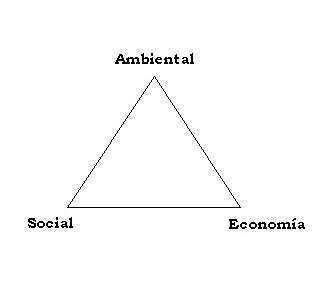
La solución pasa por tender hacia un modelo de Desarrollo Sostenible, esto no implica un retroceso, sino un cambio de paradigma que, mediante una economía circular, mejore la calidad de vida de TODOS, garantizando el uso adecuado de los recursos naturales y respetando las capacidades de recarga de los ecosistemas.
Como personas individuales, está en la mano de cada uno de nosotros acompasar nuestros ritmos con los de la naturaleza y cambiar nuestros modos de vida hasta sustituirlos por otros más lentos. Tender hacia una forma de “ser” y “estar” más consciente, que nos haga valorar y disfrutar lo cotidiano, lo que ya tenemos. En definitiva, replantearnos lo que entendemos por calidad de vida. Porque gran parte del problema está ahí, en que asociamos "calidad de vida" a las posibilidades que tenemos de consumir compulsivamente (objetos, imágenes, experiencias y hasta personas) y de forma innecesaria.
Está en nosotros la posibilidad de consumir por necesidad y de manera responsable, apostando por productos de proximidad, duraderos y creados de forma ética. Y pensar no sólo en reciclar nuestros desechos, sino también en la posibilidad de reducirlos.
1 comment
Me ha gustado mucho vuestro artículo. Creo que es necesario seguir recordando que solo tenemos una Tierra, y me gusta la forma en la que lo hacéis vosotros, de forma realista y tranquila. No me gustan los extremos, y no me gusta la actitud de mucho activista que considero exagerados y radicales. Quizá lo que me pasa es que vivo lejos de mi casa, y … sí, tengo que volar y coger un tren para ver a mi familia y amigos, y a veces, escuchando a estos activistas parece que no tuviera el derecho a hacerlo. Seamos realistas, todos podemos hacer algo para ayudar, pero entendamos y respetemos las circunstancias de cada uno.
Un saludo, Belén
Leave a comment